
Risk management is a critical issue for any organization, whether businesses, local authorities, or public administrations.
In an increasingly uncertain, fast-changing, and competitive environment, organizations must carry out major initiatives that enable them to anticipate and respond to feared events in order to ensure their long-term viability.
In this context, what are the different steps and methods for implementing effective risk management? What are the benefits of high-performing risk management?
It is common practice to categorize an organization’s risks around the following main risk types:
Risk management is an approach that enables businesses and public-sector stakeholders to identify, analyze, and assess, then control potential risks that may impact their objectives and strategy. It is a proactive approach aimed at minimizing the negative consequences of events that may occur.
The first step is to identify the risks likely to affect the organization. This involves a thorough analysis of the organization’s activities, processes, and external environment.
It is important to identify both internal and external risks. The approach generally relies on interviews, workshops involving the various stakeholders, brainstorming sessions, internal or external audits that have been carried out, as well as feedback and lessons learned.
The objective is to obtain a comprehensive view of potential risks. The identified risks are classified by type (financial, operational, strategic, etc.).
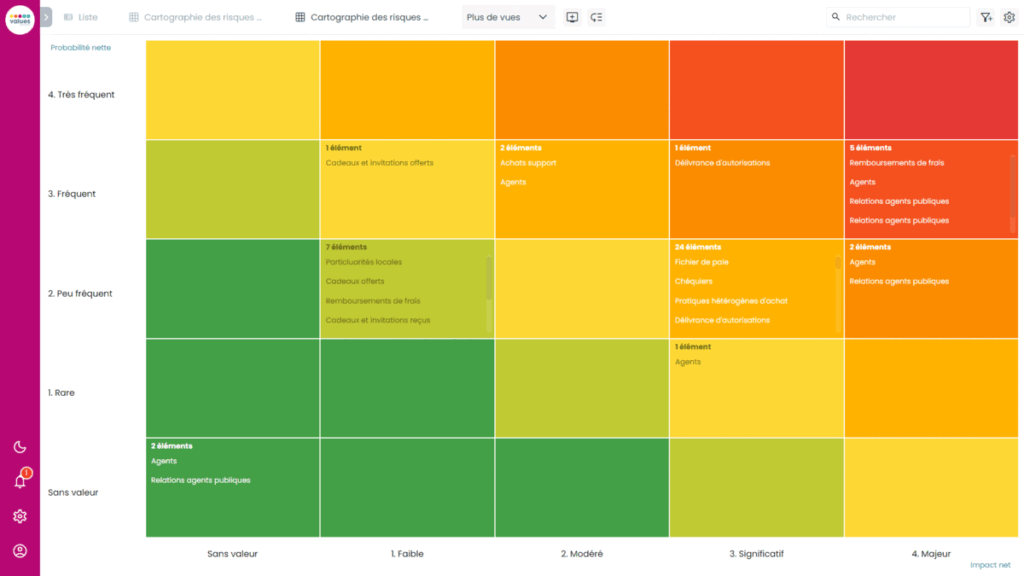
Once risks have been identified, the work carried out will make it possible to assess their likelihood of occurrence as well as their potential impact on the business or public-sector stakeholder.
It is common to formalize this step using visual probability and impact matrices, first assessing the inherent risk, without taking mitigation actions into account, then the residual risk after assessing the impact of existing mitigation actions.
Each risk is then assigned a score combining its likelihood of occurrence and the severity of its consequences. This risk assessment makes it possible to prioritize the actions to be undertaken.
After the assessment, the next step is to develop strategies to control risks. These strategies may include, in particular, risk avoidance, reduction, sharing, or acceptance.
For example, diversifying suppliers can reduce supply risk, while taking out insurance will transfer financial risk to a third party. The choice of strategies takes into account the specific objectives and resources of the organization.
Risk management is not a fixed process. It requires regular monitoring to ensure the effectiveness of the measures put in place, in particular through the internal control implemented within the organization. This regular monitoring most often includes compliance audits and performance reviews, enabling regular updates to risk analyses.
The objective is to detect gaps and adjust strategies in line with changes in the internal or external environment and newly identified threats.
To be fully effective, risk management must be integrated into corporate governance. This means that risk management policies must be embedded in the organization’s culture.
Involving all employees is essential for successful risk management. Awareness and training help develop a culture of safety and risk prevention. Best practices include organizing regular training sessions, implementing clear procedures, and ensuring that everyone clearly understands their role in the risk management framework.
The business or public-sector stakeholder must establish clear risk management policies. These policies define responsibilities, procedures, and the tools to be used for risk identification, assessment, and control. They also provide reporting mechanisms and performance indicators to measure the effectiveness of the actions taken.
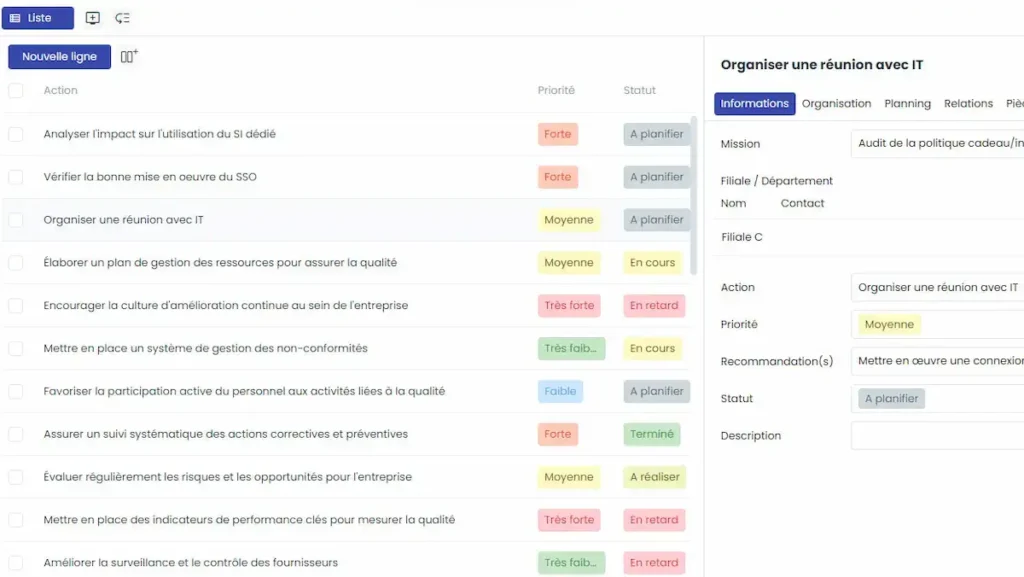
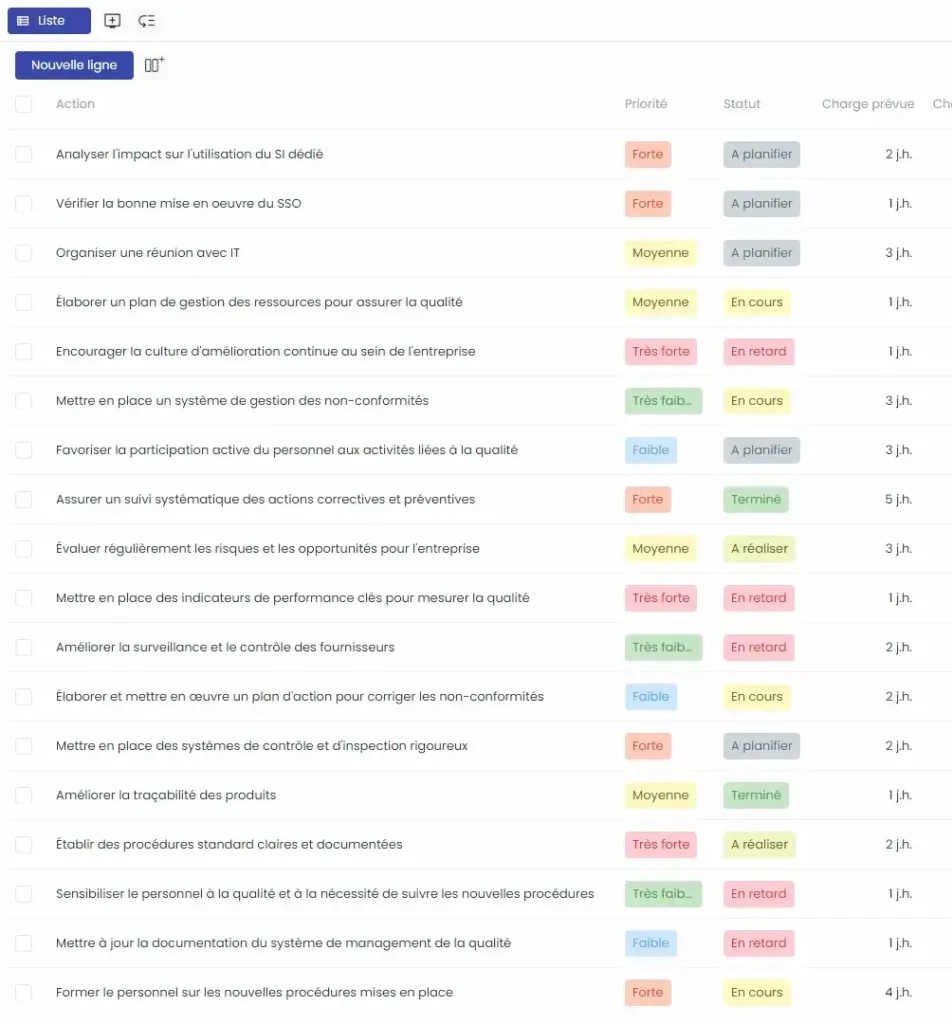
Technology plays an increasingly decisive role in risk management. Specialized risk management software makes it possible to collect and centralize data, automate analyses, and facilitate risk monitoring across the various stages of the framework implemented.
A key challenge is to facilitate the involvement of the various stakeholders. Ease of use and collaborative working capabilities are therefore central. Real-time reporting features, in a dynamic and interactive format, improve the organization’s communication and responsiveness.
The range of contributions that risk management brings to an organization is broad.
High-performing risk management not only helps protect assets and resources, but also improves decision-making and strengthens stakeholder confidence.
Structured risk management provides better visibility into potential threats and opportunities. This enhanced visibility facilitates decision-making, in particular by helping prioritize the most critical actions for the survival and growth of the business or public-sector stakeholder.
Structured risk management provides better visibility into potential threats and opportunities. This enhanced visibility facilitates decision-making, in particular by helping prioritize the most critical actions for the survival and growth of the business or public-sector stakeholder.
Finally, effective risk management contributes to the organization’s long-term viability and resilience. By anticipating risks and the events associated with them, and by implementing mitigation strategies, the business, local authority, or public administration is better prepared to overcome crises or adapt to changes in its environment.
In conclusion, risk management is essential for navigating today’s more volatile environments. Through careful risk identification, accurate assessment of their likelihood of occurrence and impact, and the implementation of appropriate strategies, organizations will be able not only to protect their assets but also to seize new opportunities.
Integrating risk management into governance strengthens the entire organization and fosters a culture of prevention and safety. Case studies and feedback show that, regardless of the sector or the nature of the risks, a systematic and proactive approach delivers results.
Professionals, it is your turn: adopt and equip your risk management practices and framework to ensure the long-term viability and growth of your projects and your organization. Using digital tools, such as those we offer, not only significantly reduces time-consuming tasks but also facilitates the engagement of the various stakeholders. Reporting features simplify the management of the work carried out and support internal communication.
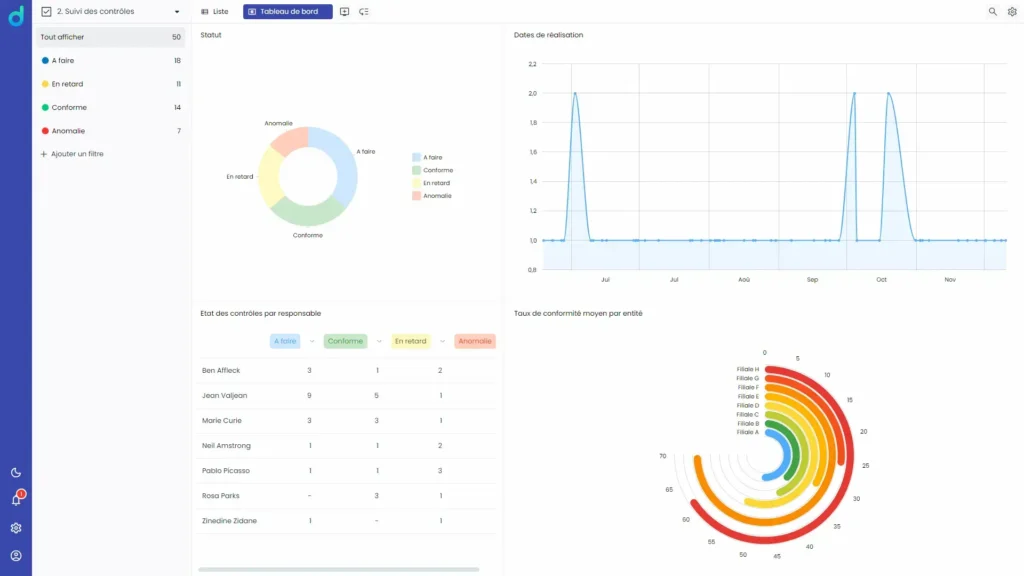
Values Associates has developed risk management software for businesses and public-sector stakeholders.
Discover our software and request a demo.
Risk management involves identifying, assessing, and prioritizing the potential risks an organization may face, then implementing measures to minimize or manage the impact of those risks. This includes developing strategies to prevent risks, mitigate them, or respond to them effectively.
Managing risks is crucial. It helps protect assets, trust, reputation, and business continuity. Effective risk management helps anticipate potential difficulties, reduce disruptions, and seize opportunities in an informed manner. Ultimately, it contributes to the organization’s resilience and sustainability.
Businesses, local authorities, or public-sector stakeholders, regardless of their field of activity, must manage a variety of risks, including financial risks, operational risks, strategic risks related to the organization’s direction, compliance risks relating to compliance with laws and regulations, reputational risks that may affect the organization’s image, and environmental risks related, for example, to natural disasters or ecological impact.
To assess risks, an organization can follow several steps: identify potential risks that may impact its activities, assess the likelihood of each risk and its potential impact on the business, prioritize risks based on their severity and likelihood, implement measures to manage or mitigate the identified risks, and periodically monitor and reassess risks and the associated management strategies.
Best practices for effective risk management include developing a clear, well-communicated risk management policy, setting up a dedicated risk management team with defined responsibilities, integrating risk management into the organization’s culture and day-to-day processes, providing ongoing training for everyone on risk management practices related to their scope of work, and regularly reviewing and improving risk management strategies in line with internal and external developments.
Using digital tools is also a key success factor.