
The risks related to GDPR and data protection encompass all situations that could compromise the confidentiality, integrity, or lawfulness of personal data processing. They affect both internal organization and information systems, and can impact compliance, user trust, and the entity’s overall reputation.
They pertain to governance, operational management, and technical measures, requiring a rigorous approach based on transparency, secure processing, and accountability for all stakeholders.
GDPR risks arise whenever an organization collects, processes, stores, or shares personal data.
A technical flaw, lack of awareness, or procedural error can lead to:
They can have significant consequences: financial penalties, loss of trust, reputational damage.
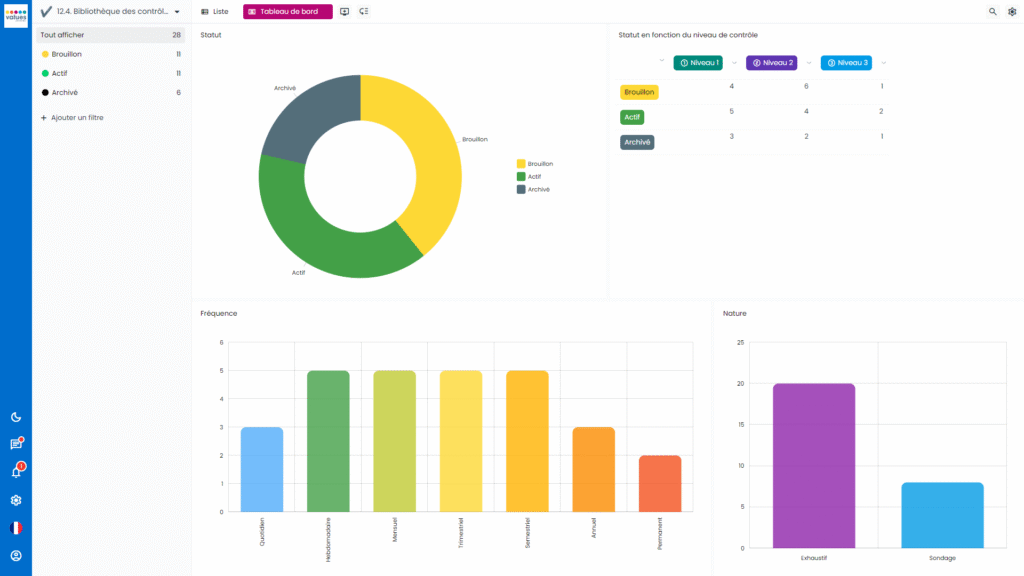
Inadequate governance is one of the main sources of non-compliance. It notably includes:
Technical vulnerabilities make processing more exposed:
They concern respect for individuals’ rights and legal obligations:
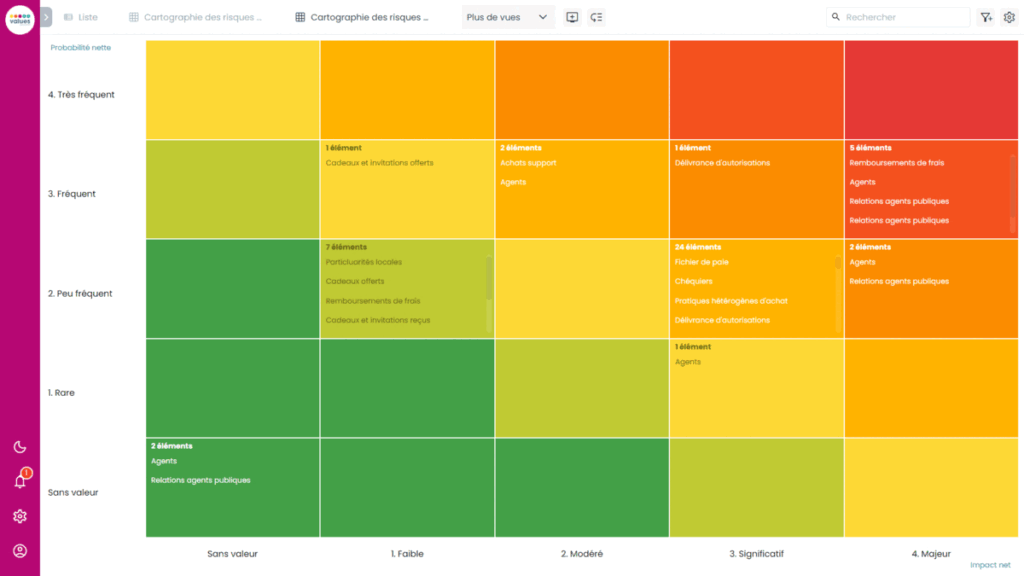
Values Associates software supports organizations in managing risks related to GDPR and personal data protection. It enables:
Centralize all data processing activities and ensure a clear overview of sensitive operations.
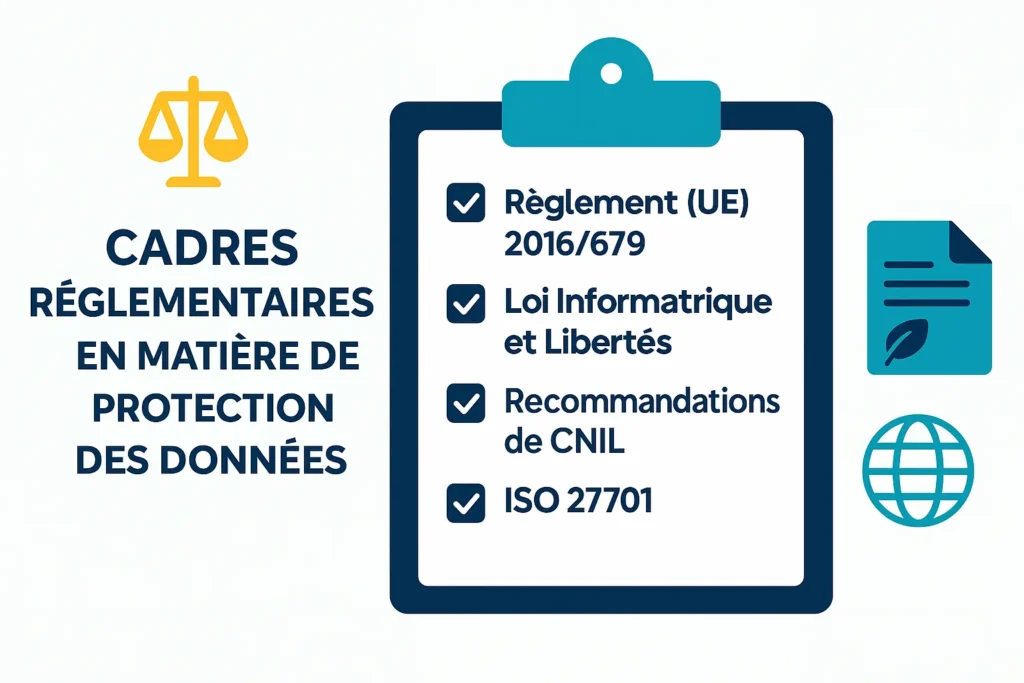
Ensure compliance with GDPR, the French Data Protection Act (Loi Informatique et Libertés), and CNIL recommendations.
Strengthen data security and governance through access monitoring, traceability, and documentary controls.
Facilitate compliance procedures: register, DPIA, subcontractor management, monitoring of data subject rights.
GDPR risks are governed by several legislative texts, reference frameworks, and guidelines, which define compliance obligations and best practices for personal data protection:
These frameworks form the basis of GDPR compliance, data risk management, and the steering of responsible information governance within organizations.
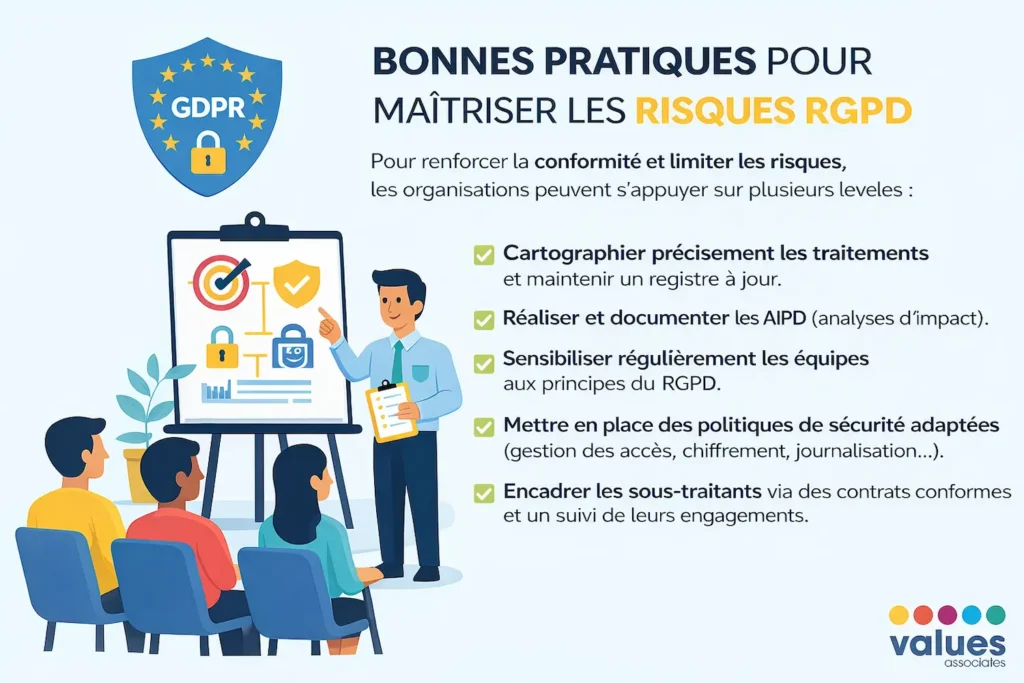
To strengthen compliance and limit risks, organizations can leverage several approaches:
GDPR risks directly impact compliance, processing reliability, and trust placed in the organization. They require a continuous, structured, and documented approach to ensure personal data protection throughout its lifecycle.
A rigorous approach helps reduce non-compliance risks, strengthen information security, and preserve the organization’s reputation, while ensuring respect for individuals’ rights.
The Values Associates risk management software fully addresses these challenges. It offers a comprehensive approach to manage, document, and monitor risks related to personal data processing, from identification to action plan implementation.
A GDPR risk corresponds to any situation that could compromise the confidentiality, integrity, or lawfulness of personal data processing. It can be linked to a technical flaw, lack of documentation, poor governance, or non-compliance with data subjects’ rights.
The most frequent risks concern:
Non-compliance can lead to:
Risk management involves several levers:
Yes. Dedicated software allows for centralizing processing activities, monitoring compliance actions, documenting evidence (register, DPIA, contracts), managing risks, and strengthening governance. It facilitates continuous compliance and traceability of implemented measures.