
Third-party risk management has never been more essential for any type of public or private organization. In a context of increasing regulatory pressures and increasingly complex relationships with external partners, businesses and public sector organizations find themselves navigating a constantly evolving risk environment. Third-party risks are numerous and varied. Whether they involve corruption risks, reputational risks, cybersecurity risks, security risks, business continuity risks… all are experiencing a particularly marked increase.
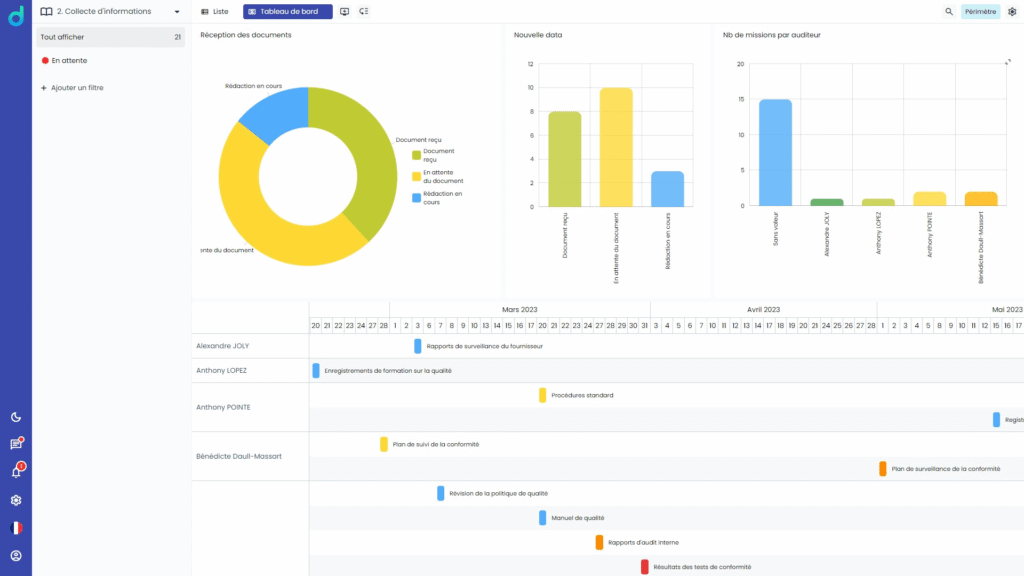
Among the most critical risks, IT security breaches can expose sensitive data to cyberattacks. Non-compliance with regulations such as the Sapin II law or duty of vigilance can not only result in financial penalties but also affect the organization’s reputation.
The implementation of a third-party risk management framework, through the deployment of prevention and control measures, aims to reduce the various third-party risks identified within the organization. Risk control measures may require the establishment of an escalation system based on the nature and complexity of the third-party assessment. Mitigation measures will also reduce the organization’s vulnerability by preventing and reducing identified risks.
The implementation of an effective third-party risk management framework is based on defining a clear policy and communicating the operating procedures and associated tools throughout the entire organization.
From detailed risk assessment for each third party, to implementing appropriate control measures and regular monitoring. All steps are critical to ensure the framework’s performance throughout the various stages.
The first step to control third-party risks is to comprehensively identify the different categories of third parties as well as the associated risks that may impact the organization, given its activities and strategy. The assessment of a third party is based on identifying and estimating the risks to which they expose the organization. Depending on the types of risks identified and based on severity and frequency of occurrence, the organization can decide to initiate, continue, or terminate the relationship with a third party. It can also decide to implement specific remediation actions. These measures can be managed, depending on the case, prior to the assessment, after conditional approval of a third party, or throughout the entire assessment period.
The third-party assessment framework is thus based on the relevance and quality of the information collected to define the level of risk that a third party represents for the organization. Hence the importance of defining in advance:
Once third parties are identified and assessed, implementing regular monitoring and continuous surveillance is critical. This monitoring and surveillance framework may lead to updates of risk assessments based on changes in the organization’s external or internal environment. Notifications, alerts, and real-time reports help maintain a clear and current view of risks associated with third parties. They facilitate and ensure optimized control and proactive management of the organization’s third-party risks. Here again, it is essential that the framework’s monitoring can be supported by quality data.
It is also essential that the following have been specified in advance:
Third-party risk management is never static. Lessons learned, whether directly reported by contributors or derived from performance reviews or audits, are a valuable source enabling optimization and continuous improvement.
The objective of any organization: to rely on controlled and effective third-party risk management.
On the agenda: enhanced protection of the organization’s assets and resources. An optimized framework also contributes to improving stakeholder confidence as well as the organization’s sustainability and resilience.
For a business or public entity, demonstrating its ability to control third-party risks is a valuable asset. This can translate into improved brand image and reputation, more favorable financing conditions, or increased loyalty from teams, partners, clients, or users.
By anticipating third-party risks and associated events, by implementing effective control frameworks and mitigation strategies, the business, local authority, or public administration prepares itself to overcome adverse impacts related to changes in its environment with more advantages at hand.
In conclusion, third-party risk management has become essential to safeguard resources and assets, including reputation, and to ensure the resilience and sustainability of public and private organizations in an increasingly complex and regulated environment.
It is based on:
💡 A clear policy and solid internal communication
📝 Comprehensive identification and detailed assessment of risks associated with each third party, supported by appropriate operating procedures and tools
🚀 Continuous monitoring and regular updates.
Third-party risk management transforms challenges into opportunities for sustainable growth and prepares organizations for an uncertain and changing environment.
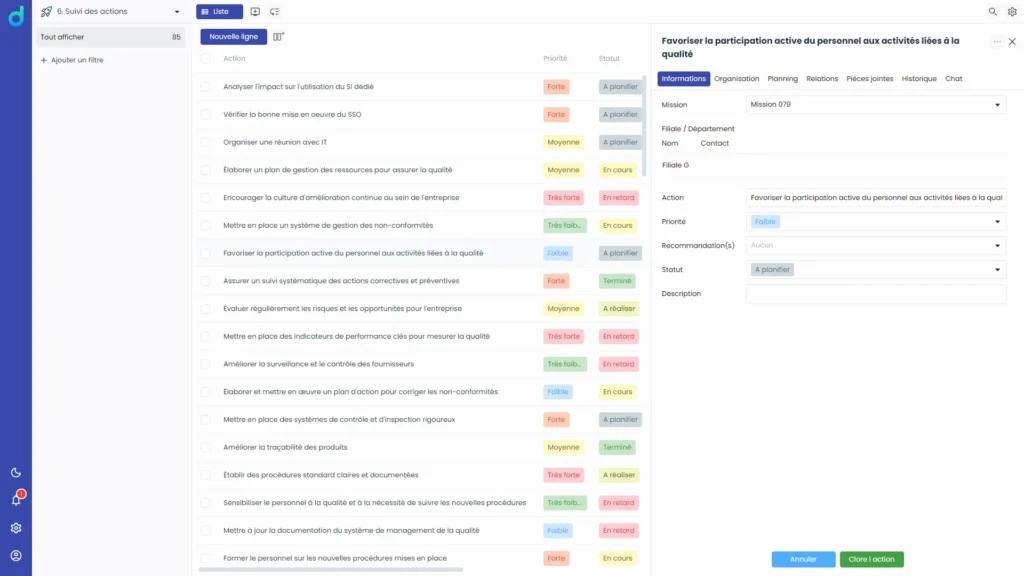
Values Associates has developed software dedicated to third-party risk management for businesses and public sector organizations.
Discover our software and request a demo.
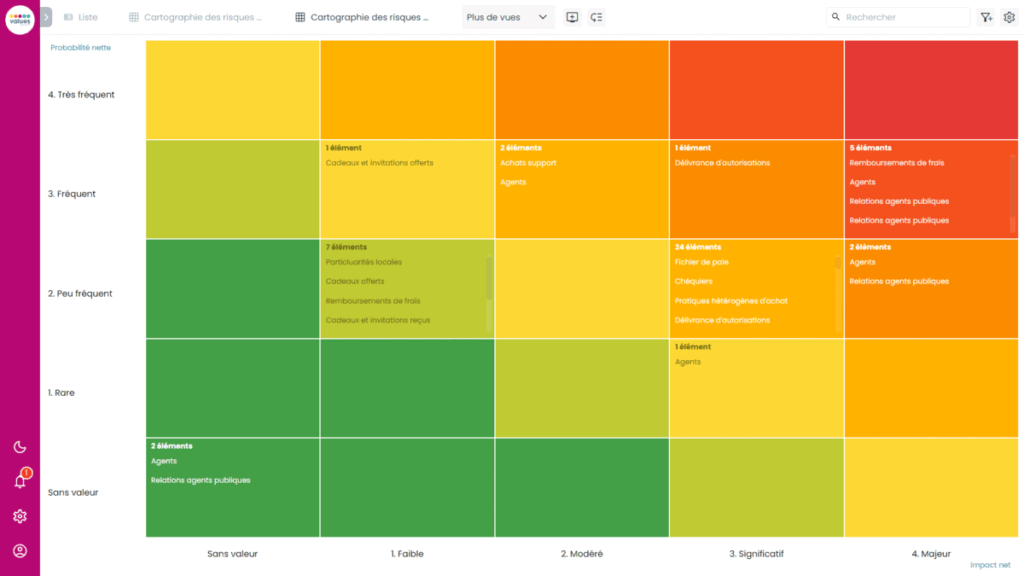
Third-party risk management involves identifying, assessing, and prioritizing for each third party the potential risks to the organization related to that third party. This initial phase enables the organization to decide whether to initiate, continue, or terminate the relationship with the third party. It can also decide to implement specific remediation actions.
Third-party risk management has become essential for all organizations, public or private, due to increasingly numerous and complex relationships with external partners as well as increasing regulatory pressures, for example around issues related to anti-corruption or duty of vigilance.
Third-party risk management is based on comprehensive identification of third-party categories and associated risks, followed by an assessment based on the severity and frequency of risks.
Based on the results, the organization can initiate, maintain, or terminate its relationships with a third party, and implement specific remediation actions. Regular monitoring and continuous surveillance are essential. Third-party risk management must be constantly improved through lessons learned and performance reviews.