Social housing providers face multiple challenges: regulatory compliance, economic performance, and social responsibility.
Our solution helps HLM organizations identify, assess, and control their risks, from internal control to Sapin 2 compliance, while simplifying monitoring and reporting.
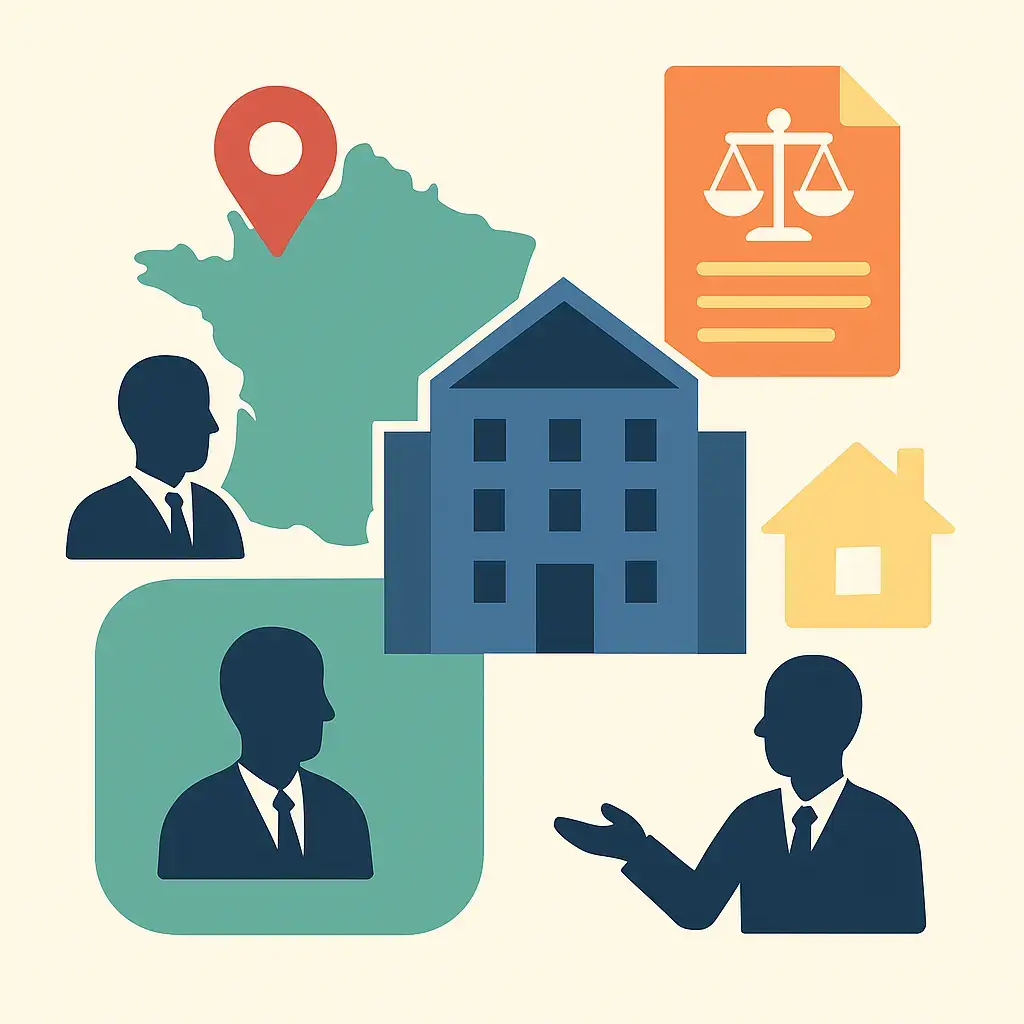
Social housing providers, grouped within public housing offices (OPH) or coordinating limited companies (SAC), ensure the construction, management, and renovation of social housing for low-income households.
Their missions extend beyond simply providing housing:
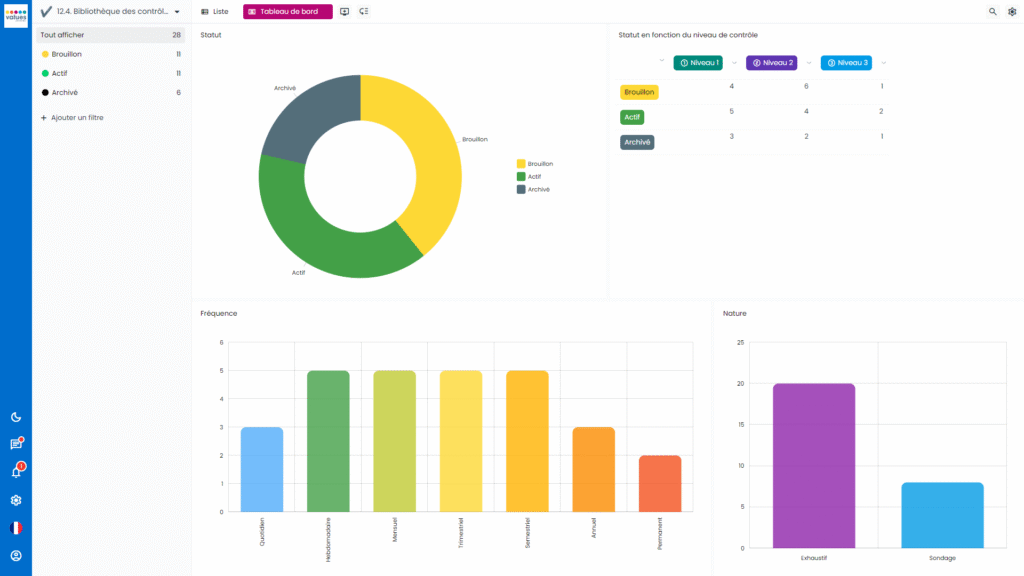
Risk management software dedicated to social housing providers enables you to:
Centralize data and automate risk assessment
Produce reliable reports that meet regulatory requirements
Facilitate collaboration between technical, financial, and compliance departments
Social housing providers must constantly balance budgetary constraints, quality of service, and regulatory requirements.
Their daily operations involve:
Our risk management software is customizable, AI-based and No Code, to adapt to the operational realities of each company or organization.
Discover our risk management software to automate your processes, secure your compliance, and improve efficiency.
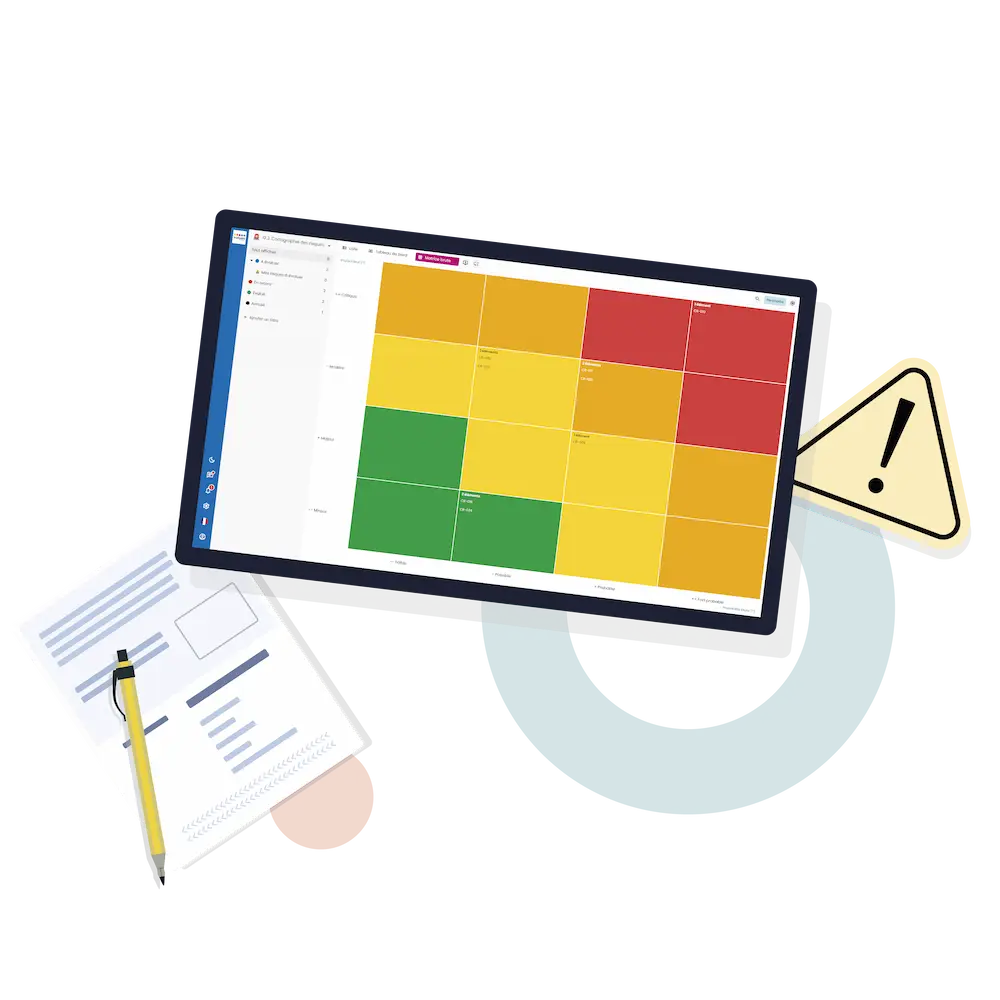
Social housing providers must manage various risks: regulatory (Sapin 2 law, public procurement, environmental standards), financial (reduced housing benefits, rent arrears, budget balance), operational (maintenance, construction projects), as well as social and reputational risks related to tenant relations and communication during incidents.
Because it ensures the sustainability of the economic model and regulatory compliance. By anticipating risks of non-compliance, cost overruns, or reputational damage, social housing providers can manage their projects more effectively and maintain the trust of their institutional partners.
The sector is subject to numerous requirements: Sapin 2 law (corruption prevention and internal control), environmental regulations, urban planning and safety obligations, accounting rules and public procurement, not to mention transparency regarding financing and governance.
A dedicated solution enables you to centralize information, map risks (regulatory, operational, social), monitor action plans, manage Sapin 2 compliance, and automate reporting.
Executive, financial, and compliance departments thus benefit from a comprehensive and reliable view of their risk exposure.
Regularly update the risk mapping, train teams in risk culture, digitalize internal control processes, and establish transparent validation workflows.
The key: an integrated approach between operational, financial, and compliance departments.