Human resources risks encompass all factors that may affect the social climate, collective performance, and organizational compliance.
They relate to both operational management and managerial culture, and require a preventive approach integrating social dialogue, governance, and regulatory compliance.
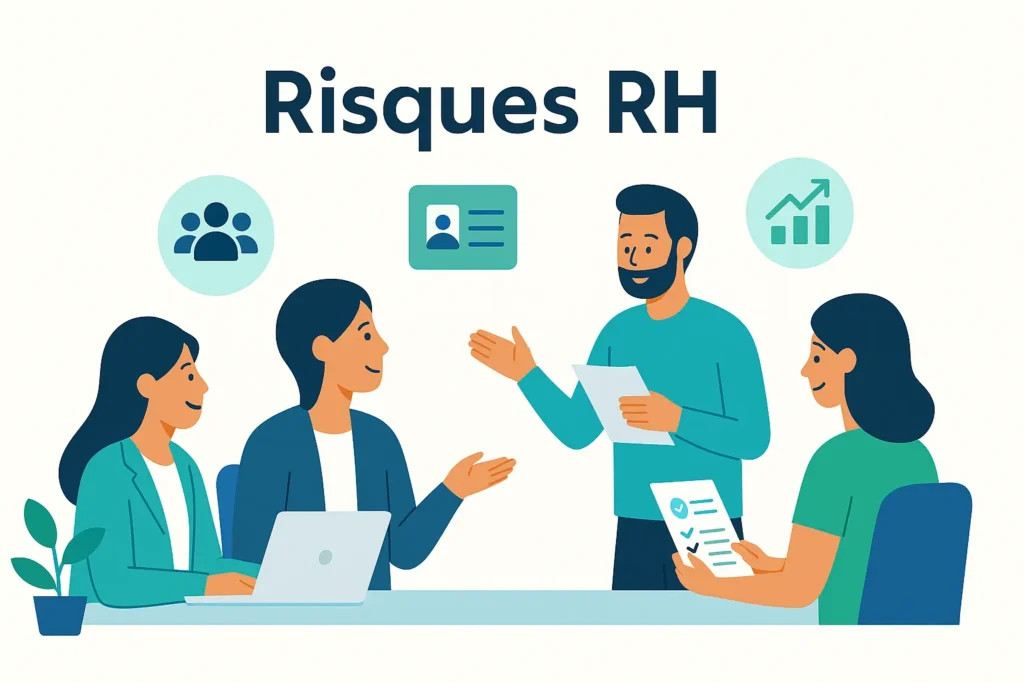
Human resources risks lie at the intersection of the human factor and management processes.
They include:
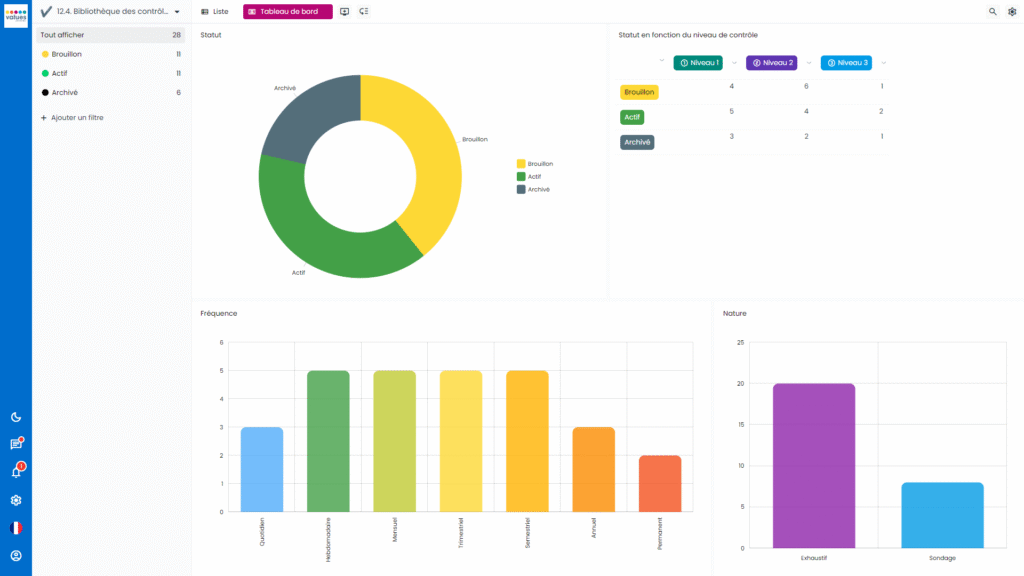
Values Associates software supports organizations in managing human resources and social compliance risks. It enables:
Centralize HR data and assess social, organizational, and legal risks.
Ensure compliance with legal and regulatory frameworks (Labor Code, ISO 45001, professional equality).
Strengthen governance and traceability of human resources actions.
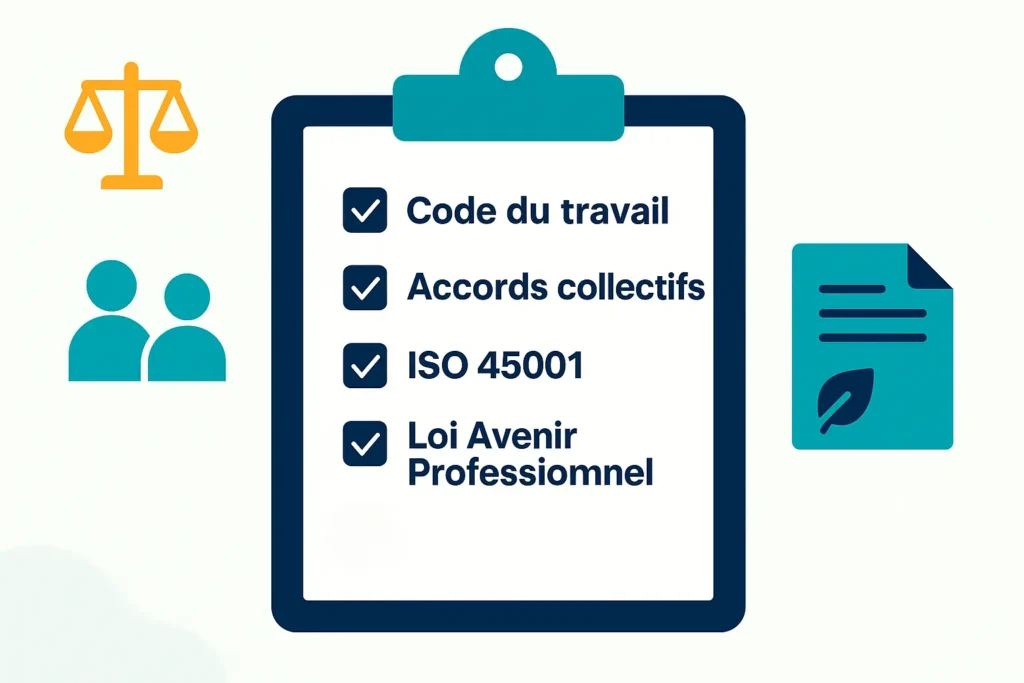
HR risks are governed by several legislative texts and frameworks that define compliance obligations and best practices in human resources management:
These frameworks form the foundation of social compliance, HR risk prevention, and management of responsible human resources governance.
For effective management of human resources risks, several levers can be activated:
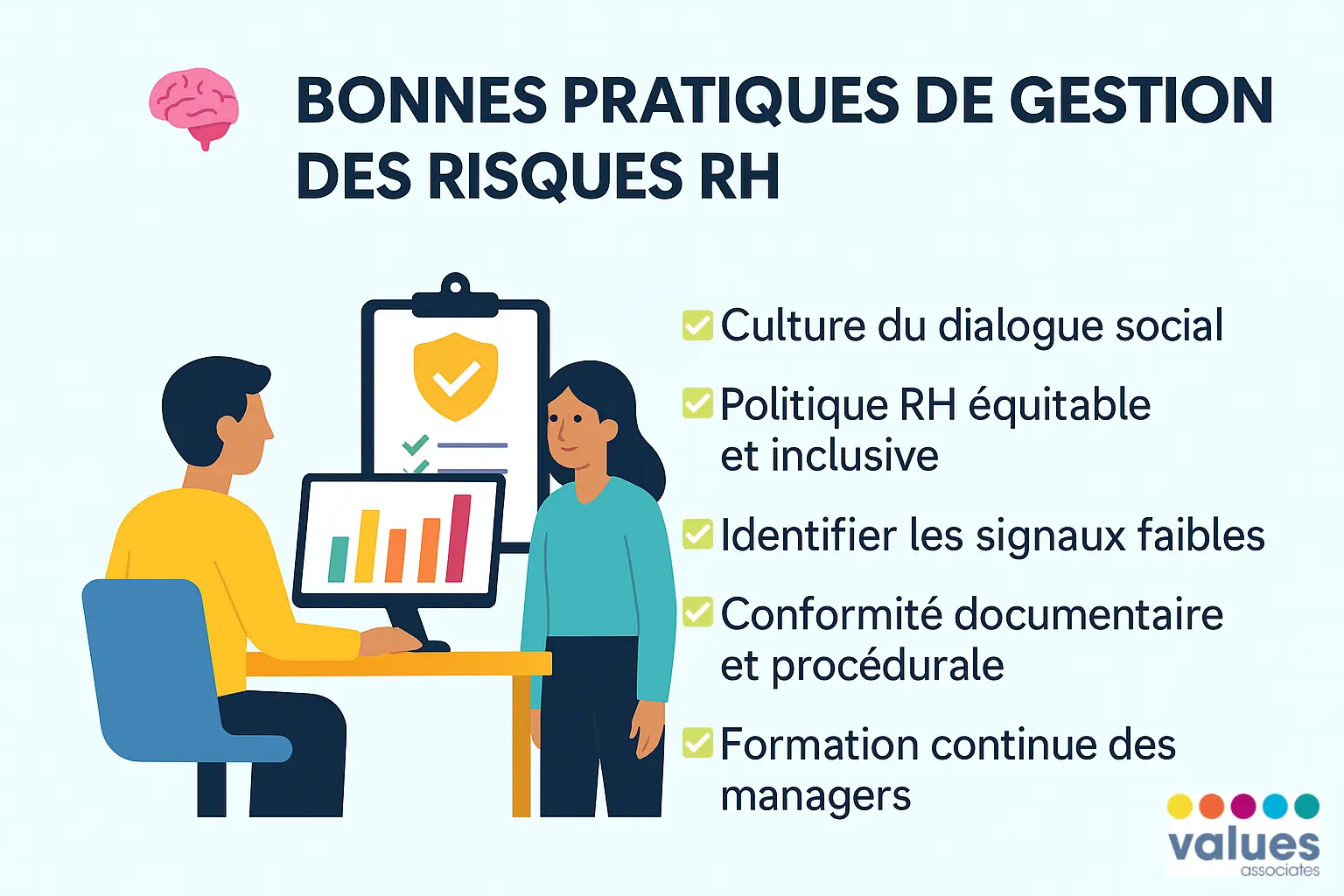
HR risks directly influence organizational performance, reputation, and social cohesion.
A preventive and structured approach helps foster a healthy and sustainable social climate while ensuring regulatory compliance.
Values Associates risk management software fully supports this approach. It offers a comprehensive solution to manage, document, and monitor human resources risks, from identification through action plan implementation.
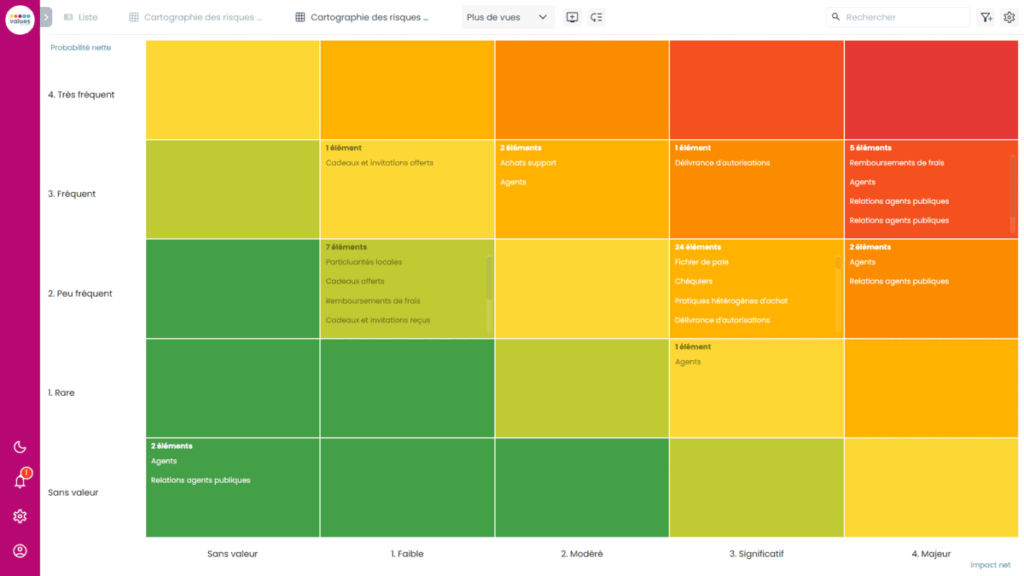
HR risks encompass social, organizational, and legal risks: harassment, discrimination, work overload, absenteeism, non-compliance with Labor Code, or lack of documentary compliance.
Assessment is based on analyzing the social climate, detecting weak signals (absenteeism, tensions, staff turnover), and reviewing legal obligations.
An HR risk map helps prioritize prevention actions.
The main frameworks are the Labor Code, collective agreements, ISO 45001 standard, and Professional Future Act.
They define rules for safety, equality, and quality of work life.
Values Associates software enables organizations to centralize, document, and monitor HR risks.
It facilitates regulatory compliance and supports the implementation of effective and sustainable social governance.