
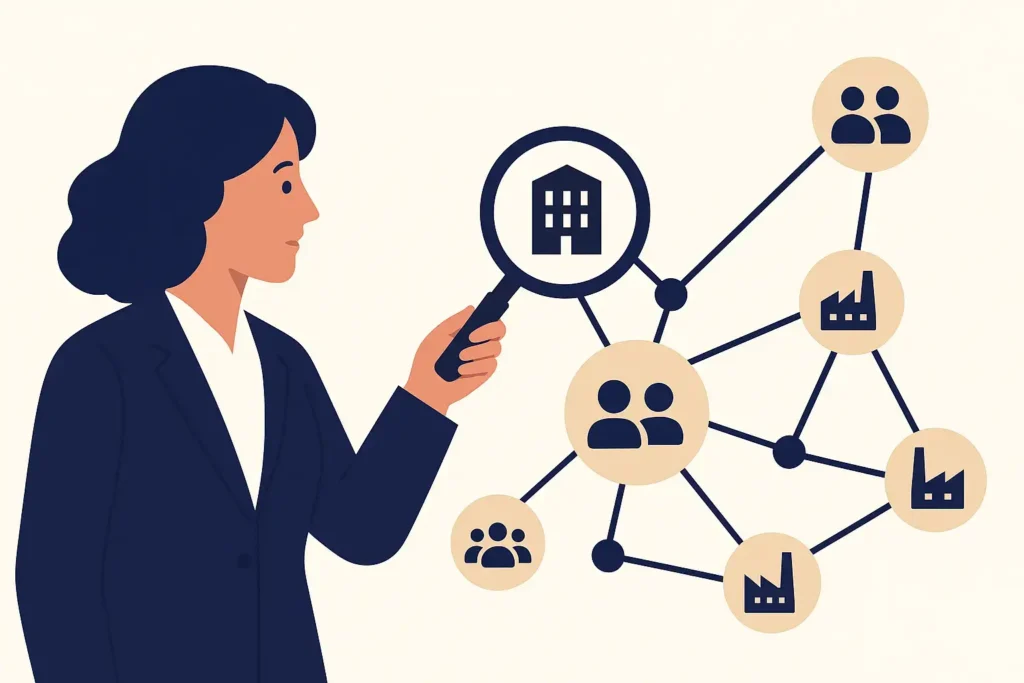
Never have companies, local authorities and public administrations operated in an environment as complex as today’s. They must deal with a multitude of third parties, both drivers of performance and points of vulnerability. Each relationship opens a breach in the organisation, exposing it to risks that are difficult to measure, but sometimes with dramatic consequences.
Faced with major challenges, elected officials and executives can no longer be satisfied with a reactive approach. In service of the organisation, proactive third-party assessment makes it possible to anticipate, assess and control threats. Yet, nine years after the publication of the Sapin 2 law, companies, local authorities and public administrations are struggling to implement it.
What are the main challenges of third-party assessment? Understand them to raise your awareness of third-party assessment, an essential process for protecting your organisation’s sustainability and growth.
Every company, local authority or public administration maintains relationships with a multitude of third parties (suppliers, subcontractors, service providers, investors, customers, institutional partners, etc.). Each one exposes it to numerous and varied risks, the consequences of which can be severe for the organisation.
Regulatory compliance does not concern internal practices alone. Obligations extend beyond the organisation’s boundaries. Failure by third parties to comply with laws and regulations can incur legal and financial liability for companies, local authorities and public administrations:
Corruption, money laundering, influence peddling, conflicts of interest: a partner involved in these illegal or unethical practices can expose the company, local authority or public administration to legal and reputational liability, even if the latter is not the source of the wrongdoing.
Between investigations and financial penalties, reputational damage, loss of public or private contracts, weakened governance and a challenge to the culture of integrity, the effects of a third-party ethical risk can be long-lasting and critical.
Excessive dependence on third parties can have disastrous consequences for business continuity. Multiple and often interconnected, risk scenarios are varied:
When calculating their carbon footprint, companies, local authorities and public administrations must take into account indirect greenhouse gas emissions associated with the entire value chain (scope 3).
Thus, a supplier that uses polluting processes or neglects energy efficiency can significantly affect an organisation’s carbon footprint.
Beyond the environmental challenge, a deterioration in the CSR balance sheet, extra-financial CSRD (Corporate Sustainability Reporting Directive) results and environmental, social and governance (ESG) criteria has serious consequences for the organisation: damage to image, customer disillusionment, investor departures, talent drain, etc.
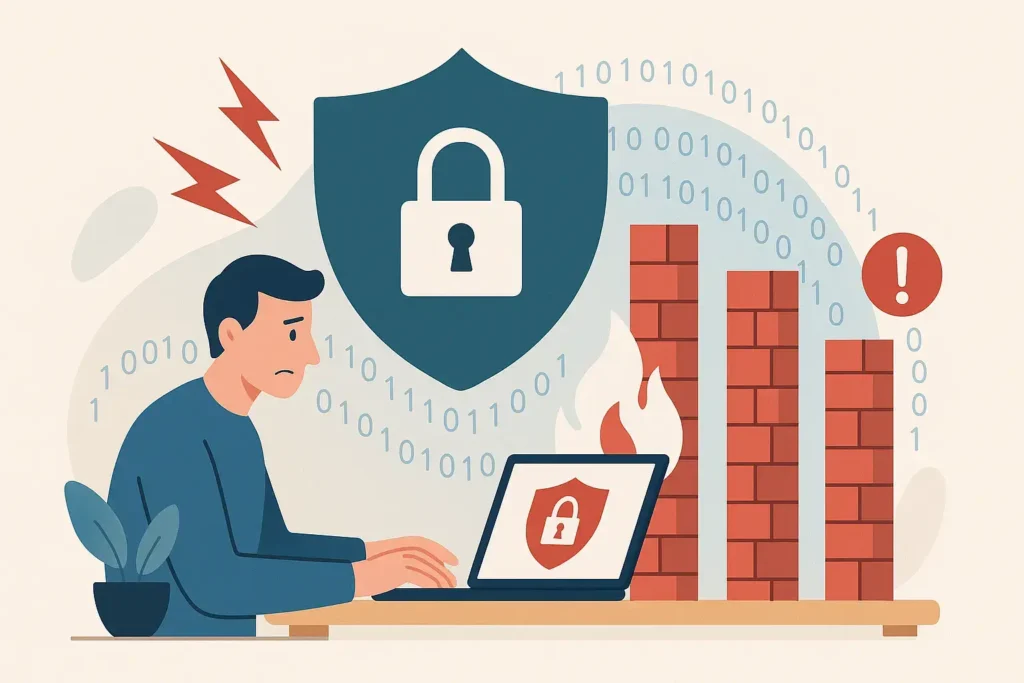
In an era of widespread interconnection, cybersecurity is a critical issue for companies, local authorities and public administrations. Increasingly, cyberattacks come through external third parties (software vendors, maintenance services, IT subcontractors, etc.).
Hackers exploit weak links in the chain to reach the organisation. A partner with a fragile IT system exposes the organisation to the theft of sensitive data or system encryption by ransomware with a ransom demand.
The organisation may be prosecuted for GDPR violations, with financial and legal risk.
Third-party assessment involves identifying, assessing and analysing the risks associated with partners. Classifying and prioritising threats makes it possible to build an appropriate and effective risk management plan.
The objective: reduce the frequency and severity of third-party risks for the company, local authority or public administration.

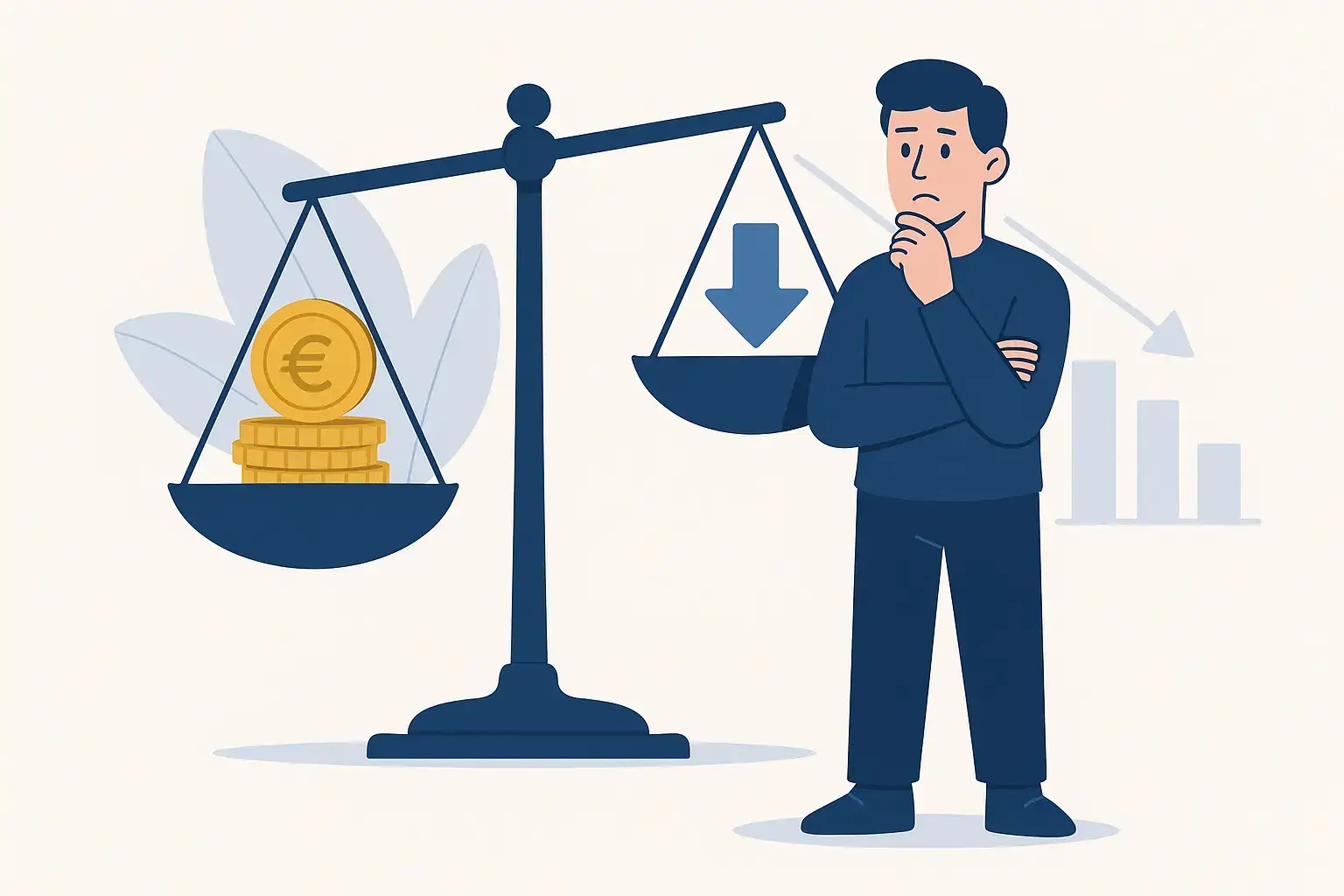
Properly assessing and managing third-party risks helps preserve economic stability, budgetary balance and growth for companies, local authorities and public administrations. The consequences of a poorly managed external risk can indeed be critical:
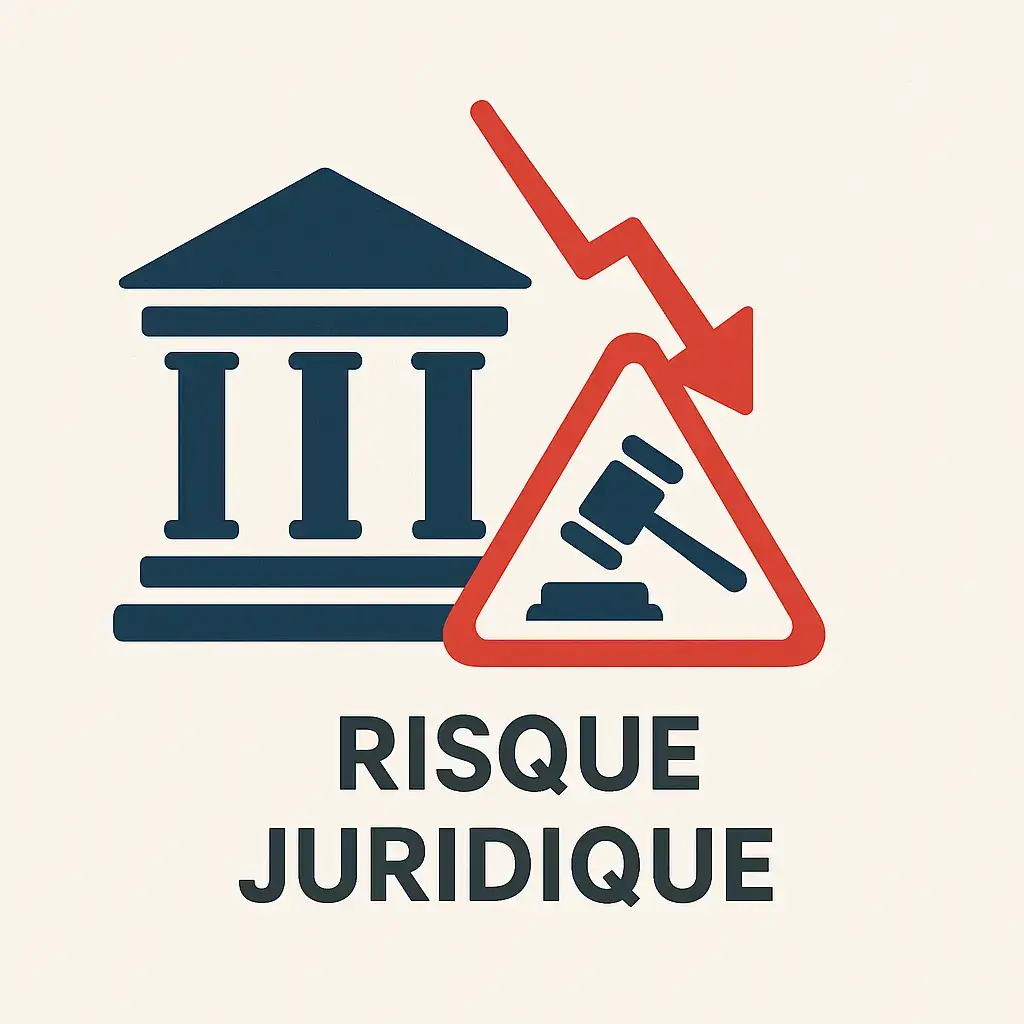

Third-party assessment protects companies, local authorities and public administrations from legal risks of prosecution and litigation related to a partner’s negligence.
For example, when one of its third parties is involved in corruption, forced labour or serious environmental harm, the organisation may be investigated for complicity or failure to meet its duty of vigilance.
A third party’s contractual failure (a supplier unable to deliver, a service provider that does not meet standards) can also generate lengthy and costly commercial disputes, accompanied by high financial costs (legal fees, damages, contractual penalties, etc.) and negative publicity for the company, local authority or public administration.

Long to build, reputation is quickly destroyed. In a hyperconnected world, every environmental or social harm, every ethical failing, is relayed within hours by the media and social networks. Even when committed by a third party, they hit the partner organisation’s image head-on.
Working with a third party involved in a scandal (forced labour, massive pollution, corruption, cyberattack, etc.) is enough to trigger a reputational domino effect, accompanied by distrust, loss of credibility or boycotts.
Implementing third-party assessment reduces these threats, whose repercussions leave irreversible and lasting scars, both internally and externally.


New generations of employees are increasingly attentive to the organisation’s values, whether a company, local authority or public administration.
By limiting third-party-related crises, third-party assessment protects the employer brand. Because, even without direct responsibility, the organisation suffers the human consequences of third-party risks. Employee disengagement, higher turnover and reduced attractiveness in the labour market compromise internal operations, growth, innovation and the organisation’s development.
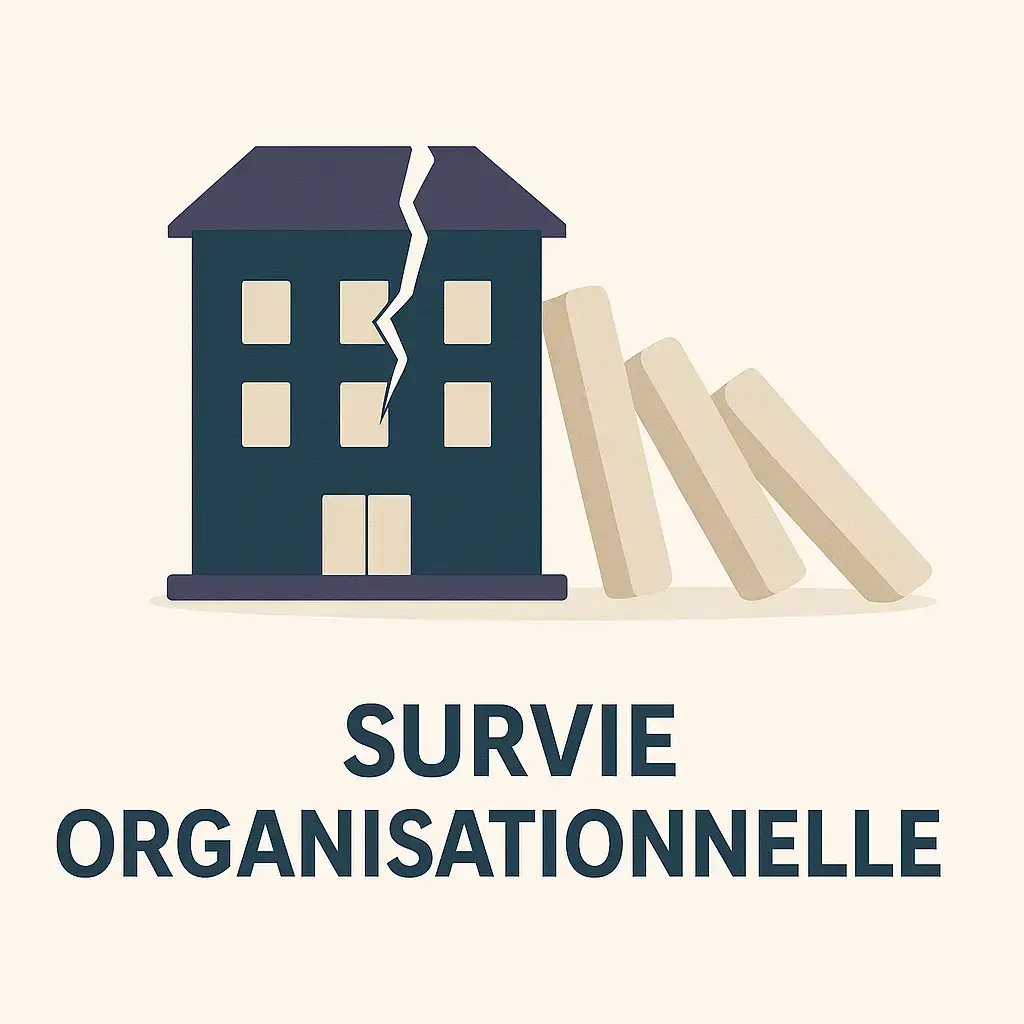

Too often perceived as operational or one-off, an incident involving a third party may seem manageable. But when combined, legal, financial, human and reputational consequences worsen each other and create a vicious circle, feeding into one another. This cycle can lead to extreme situations such as bankruptcies, site closures or institutional crises.
In this context, third-party assessment is a strategic issue that affects sustainability, legitimacy, and even the organisation’s survival.
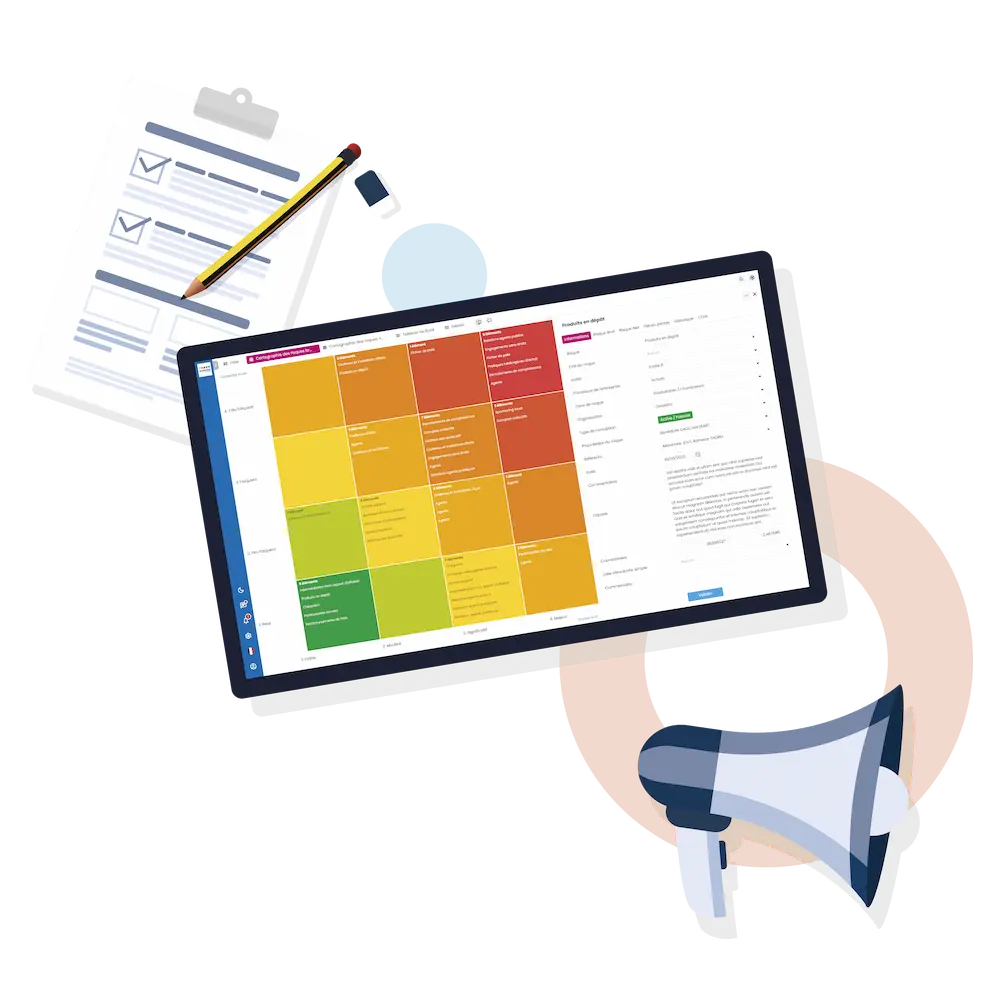
Long underestimated, third-party risks are proving critical. Beyond the financial, legal and reputational challenges, the sustainability and development of the company, local authority or public administration are at stake.
Faced with the growing number and diversity of threats, implementing a proactive approach to risk management and third-party assessment is no longer optional. It is a strategic imperative. Identifying the most sensitive third parties, verifying their robustness and compliance, and anticipating crisis scenarios means building a safety net for resilience and performance.
Powered by the latest “no-code” and artificial intelligence technologies, the third-party assessment software developed by Values Associates protects your company, local authority or public administration against third-party risks.
Fully customisable, this third-party assessment platform simplifies, strengthens and accelerates the assessment of risks related to your third parties thanks to its intelligent features and its cutting-edge, adaptive technology.